Your Cart is Empty

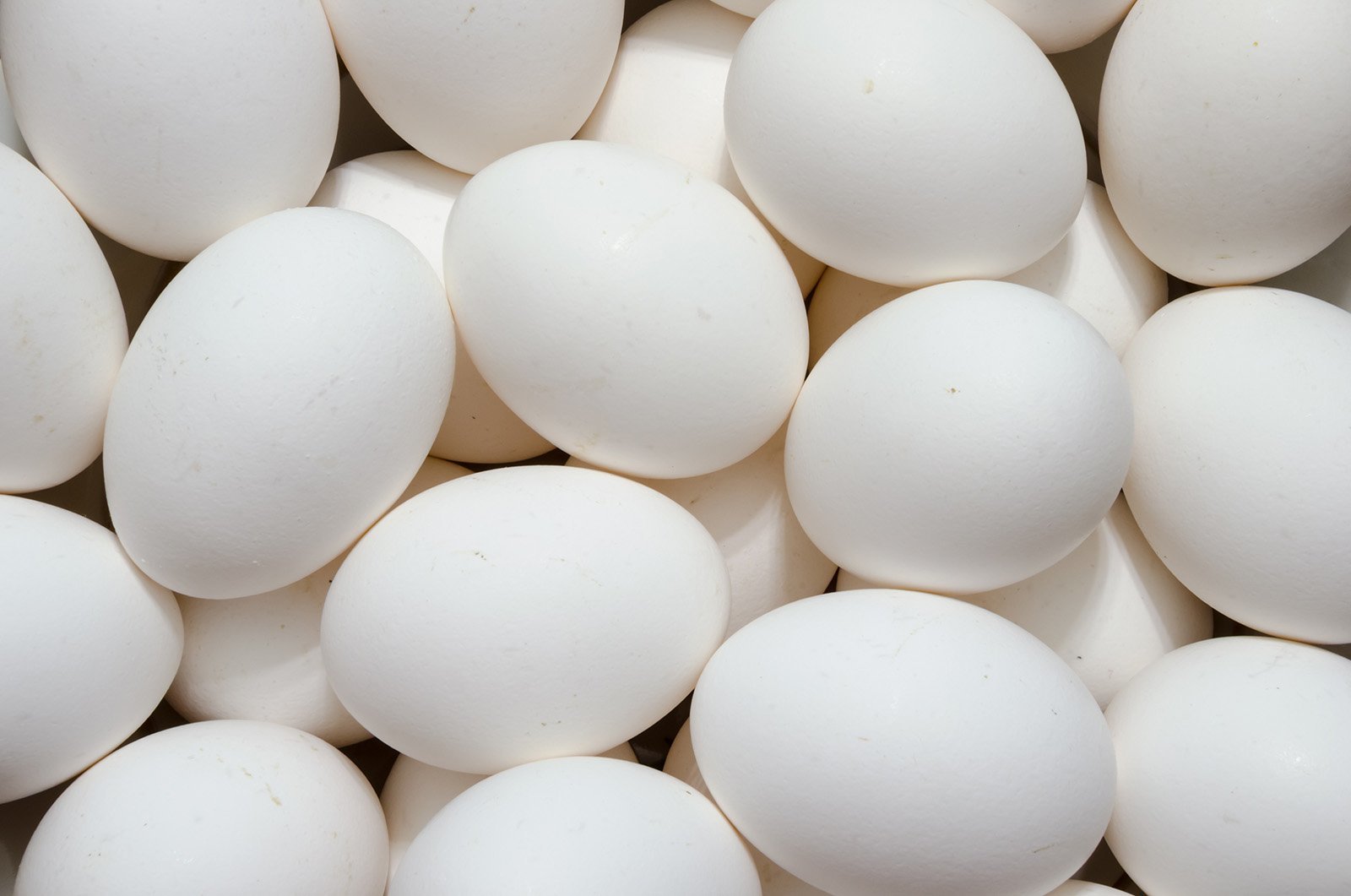
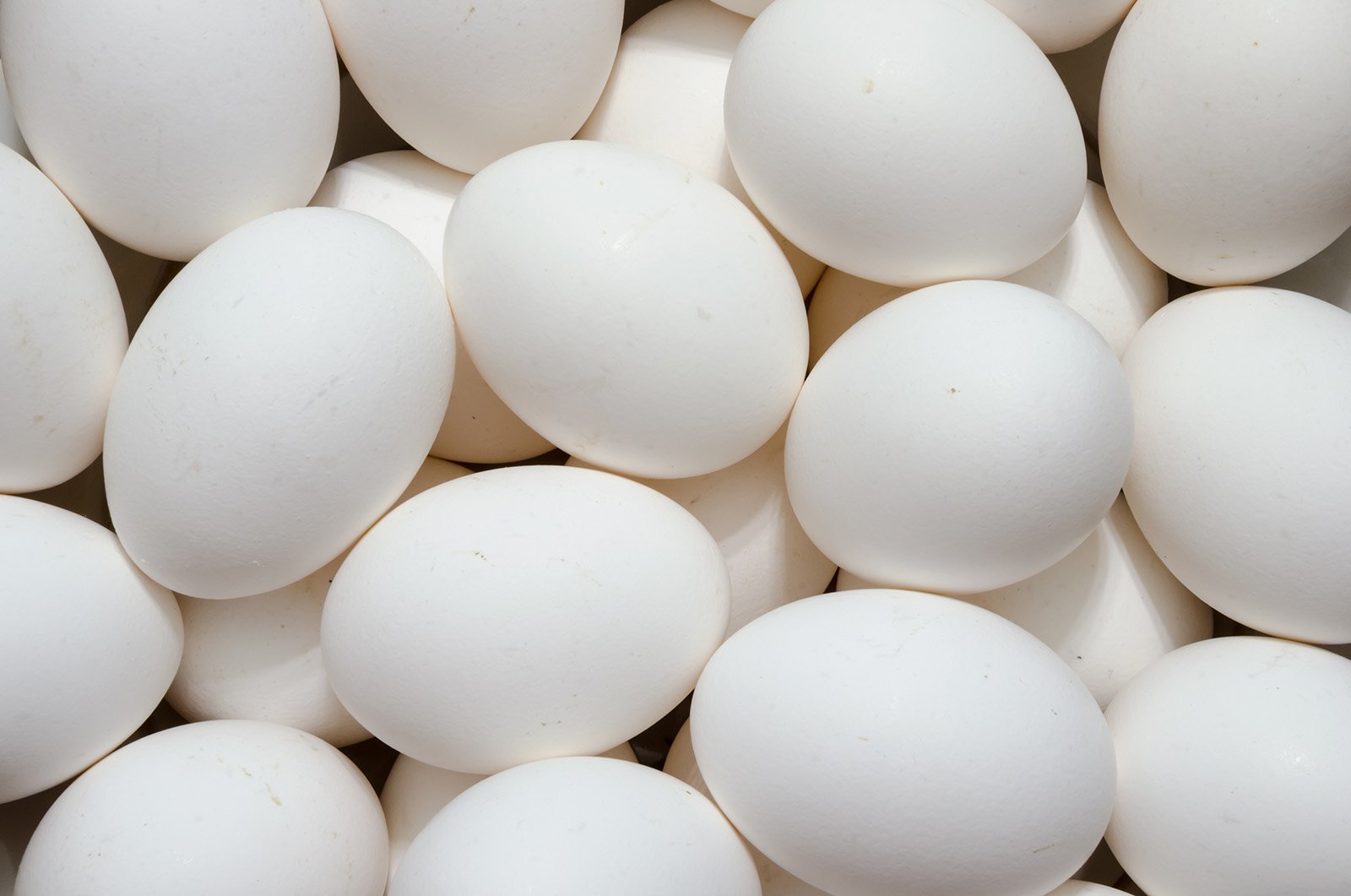
Egg white is naturally around 93% protein on a dry basis, with no fat or lactose. This is an average of course. As with any biological process, it's not exact and there are a lot of things that influence what's in a particular egg.
The nutritional values we use are averages based on years of testing. There is a lot of natural variability in eggs, even from individual hen to hen. The age, breed, season and diet of a hen affect the nutritional properties of the eggs they lay.
Egg white is made of four layers: the outer thin white, thick white, inner thin white and chalaziferous layers. The relative proportions of each of these layers vary in different breeds and individuals, and are also influenced by the age, season and diet of the hen.
The protein in an egg white is actually made of many different types of proteins. Many of the proteins in egg white have yet to be identified, the majority however are:
These proteins all denature starting at 141F - 185F, which is why it's so important to dry them at low temperatures.
Here's the typical amino acid profile for egg white protein, per 100g:
Egg white is a complicated biological substance. There's a lot in it and there's a lot that can go wrong if the raw materials aren't good. That's why we make our egg white protein from farms that use only vegetarian feed and absolutely no antibiotics or hormones


Not all egg powders are made the same way. Learn how high-heat spray drying can affect egg proteins, flavor, and functionality—and how OvaEasy’s proprietary low-temperature process helps preserve the qualities that make a real egg perform like an egg.


Frozen liquid eggs come with costs that go far beyond the purchase price. See how OvaEasy Egg Crystals can reduce cold storage, thawing, spoilage, and waste while providing the same functionality as liquid eggs—without requiring changes to your existing recipes.


How long do eggs really last? We compare the shelf life, storage requirements, and waste risks of shell eggs, liquid pasteurized eggs, and OvaEasy Egg Crystals—and explain why the right egg format can make a major difference for home kitchens, foodservice operations, and commercial buyers.